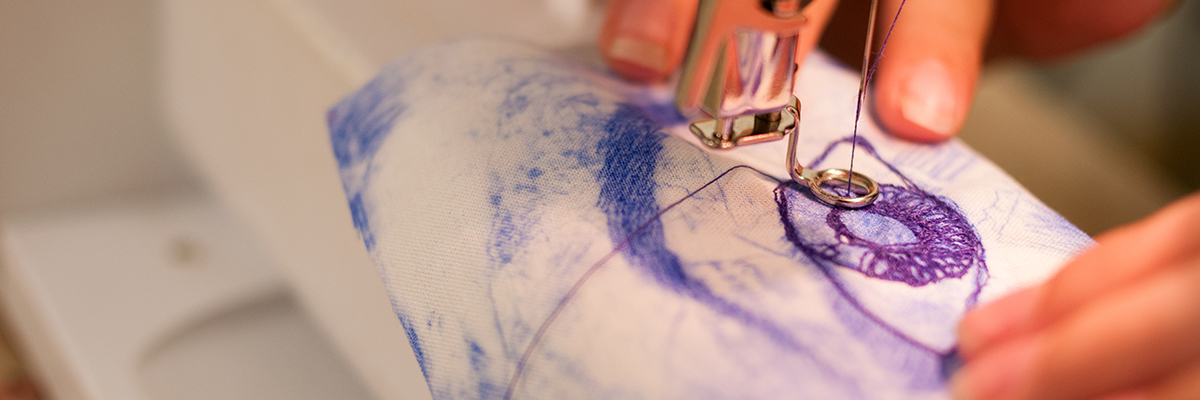
Fashion and Textiles is a broad and exciting subject that crosses the boundaries between fashion, textile art, interiors, costume, surface design and sustainable design. Every day we are surrounded by textiles that are used to protect, communicate, celebrate, comfort and inspire. At Havant, you will learn to think through materials, exploring how cloth and textiles can be deconstructed, reconstructed and transformed through creative experimentation. Through visual research, drawing and practical making, you will create personal responses while building confidence, curiosity, storytelling and the design thinking skills that underpin creative careers.
Did you know? You can join our community – Fashion & Textiles at HSDC Havant has an Instagram account. Follow us – @hsdctextiles
Over the summer, we would like you to begin observing the world around you (houses, gardens, woods, interiors, trips, days out) collecting inspiration, recording ideas and altering materials in creative ways. Your starting word is: TRANSFORM, this could relate to:
Example Photos
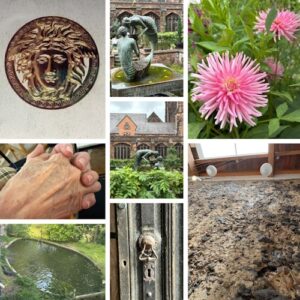
The focus should be on macro photography, unusual angles and avoiding screenshots and random internet images where possible. Strong designers create their own visual language. Once you have a good imagery collection, develop 3 observational drawings from your favourite photographs.
Please email me your images to maria.stones@hsdc.ac.uk with the subject: YOUR NAME – SUMMER WORK, or save them in a memory stick and bring it to your first lesson in college.
Take ONE unwanted material and transform it to emulate the drawings you have responded from your imagery. Examples: old shirt, packaging, carrier bags, denim, paper, bedding, food wrappers, old textile samples, broken jewellery, receipts, netting, household waste.
Experiment and produce 3 different samples where you have used different techniques, experimentation or processes. You can manipulate it through:
Create one presentation page, which can be one sketchbook page, digital slide, collage page, or A3 sheet. You could include close-up of your processes, details, fragments, textures, hands working, layered textiles. Think of:
Designer Inspiration. Research ONE designer/artist connected to transformation or sustainability. Examples:
After reading about your chosen designer/artist, present an additional page:
These resources are free (or have free content available) and are excellent starting points for developing your understanding of fashion, textiles and design. You don’t need to explore everything—simply follow what inspires you.
The most important resource of all! Record your own photographs, drawings, colour palettes, collected materials, tickets, packaging, found objects and observations. The best designers develop ideas from the world around them, not just from Pinterest.
Victoria and Albert Museum (V&A)
Explore one of the world’s greatest collections of fashion, textiles, costume and decorative arts. Their online collections, videos and articles are an excellent source of visual research.
Founded by fashion designer Zandra Rhodes, the museum presents inspiring exhibitions celebrating fashion, textiles and contemporary makers.
Outstanding textile collections alongside contemporary textile art.
Visit museums and galleries around the world virtually, exploring fashion, costume, textiles and design collections.
Beautiful articles exploring textiles, craftsmanship, culture and the stories behind cloth. A wonderful source of inspiration for anyone interested in fashion, quilting and textile art.
Discover contemporary textile artists from around the world through interviews, exhibitions and studio insights. Explore how artists develop ideas, experiment with materials and communicate powerful stories through cloth.
Explore articles, exhibitions, lectures and research covering every aspect of textiles from around the world.
The Quilters’ Guild of the British Isles
Discover how quilts can be works of art, cultural heritage and contemporary design, and explore exhibitions, historic collections, contemporary textile art and the work of practising makers.
Explore how quilting has evolved into a contemporary art form. Discover innovative makers using stitch, geometry, narrative and reclaimed materials to create exciting modern textiles.
Explore embroidery for fashion, costume, military dress and contemporary design. Their annual Prize showcases exceptional emerging creative talent.
Discover hand embroidery as both heritage and contemporary creative practice, with conservation projects and couture collaborations.
Explore contemporary craft and discover how textiles connect with ceramics, glass, wood, metal and mixed media. A great place to see innovative makers, exhibitions and the many directions a creative career can take.
Discover how emerging designers build careers, showcase collections and shape the future of British fashion.
It supports students from education into industry and showcases graduate work from universities across the UK.
Learn how fibres, farming and fashion are connected. Discover regenerative textiles, natural dyes and sustainable design that begins with the materials themselves.
Discover how designers and companies are developing more sustainable materials and innovative ways of making clothing.
Learn where our clothes come from and explore the environmental and social impact of the fashion industry.
It focuses on ethical production, sustainable fashion, responsible sourcing and industry knowledge. It shows that fashion is becoming much more than designing garments.
Browse free courses related to fashion, design, colour, sustainability, creativity and visual culture. Many courses can be audited without charge.
Remember: Inspiration doesn’t only come from books and websites. It comes from the clothes you wear, the places you visit, the objects you use every day, conversations you have, exhibitions you see, and the stories held within materials. Stay curious, observe carefully, and begin collecting ideas—you’ll be surprised how quickly your sketchbook becomes your most valuable resource.